


Who We Are
Our Beginnings
Imaging the World is a woman-led company with an international team of medical experts passionate about driving social impact.
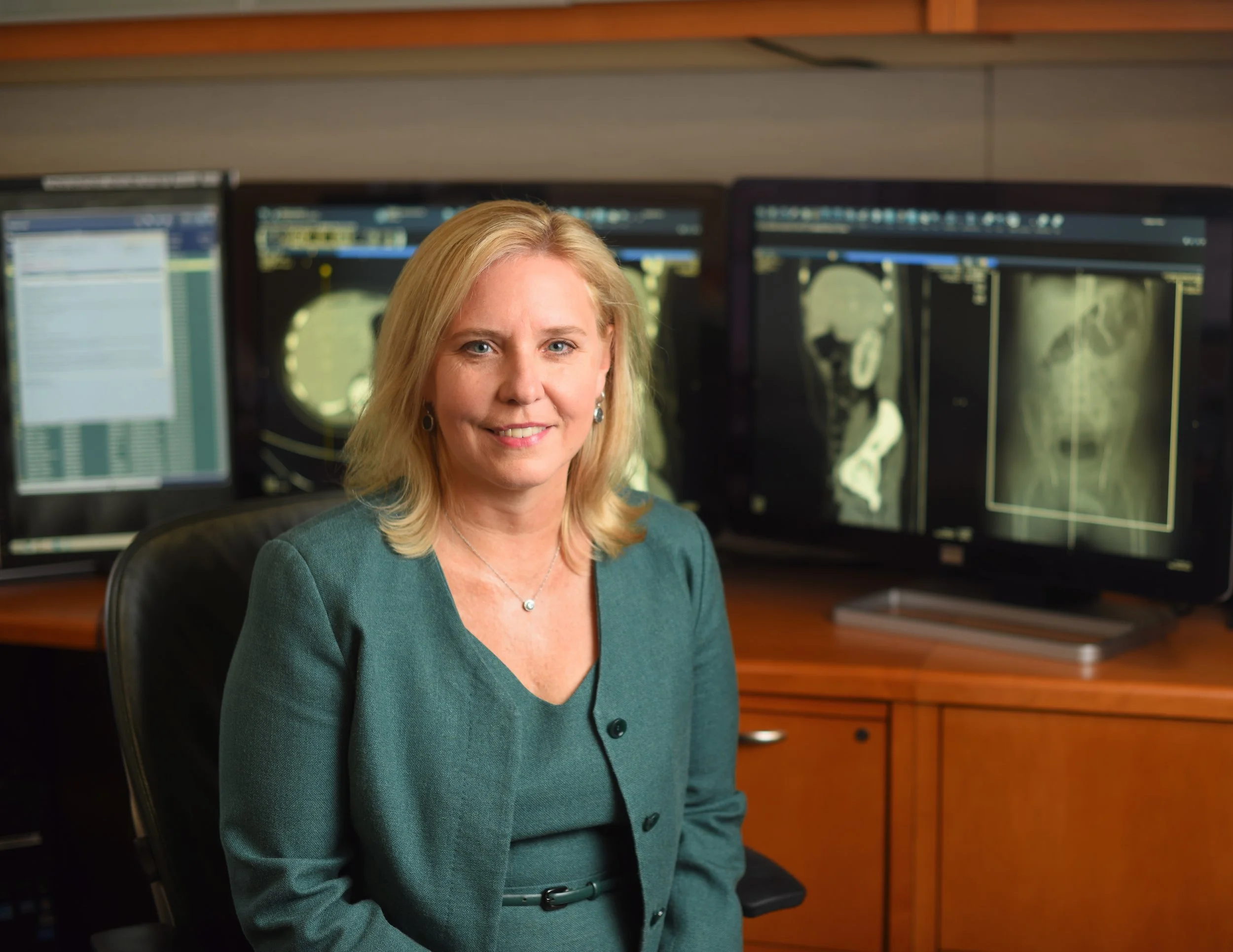
Working with a research team on the parasite infection, schistosomiasis, in rural Kenya in the 1980’s, Dr Kristen Destigter (Founder and CEO of ITW) was inspired by a Kenyan radiologist to solve an access problem for pregnant women needing ultrasound.
Dr DeStigter went on to set up Imaging the World, a non-profit organization (USA-registered 501c3), now in continuous operation since 2008. In collaboration with our partner, Imaging the World Africa (ITWA) — a Non-Governmental Organization (“NGO”) — we are a trusted, environmentally conscious supplier of diagnostic imaging services and training to rural sub-Saharan Africa.

Our initial target is to enable a secure and effective pathway for safe deliveries to women and their families. Imaging the World and ITWA have worked in Uganda for 15 years, Malawi for 7 years, and this year we are successfully expanding into Kenya.
A for-profit business arm of the organization, the ITW Consortium for Health in Uganda, leverages education, research and sustainable development expertise to partner with academia and industry on solutions for human and planetary health, with 100% of net profits helping to support the non-profit.
Milestones

“ITW founded as 501c3 (non-profit)”
“Registered NGO in Uganda”
“First implementation in Uganda”
“Recipient of the Bill & Melinda Gates Foundation Grand Challenges Explorations Grant: “Low Cost Sustainable Solution for Rural Ultrasound””
“Continued expansion in Uganda”
“Recipient of the Grand Challenges Canada Stars in Global Health Grant: Early Diagnosis and Treatment of Breast Cancer using New Breast Ultrasound Volume-Based Scan Protocols”
“Using the same ITW methodology, and with the Uganda Heart Institute (UHI) and Children’s National Hospital, completed a funded research study investigating Rheumatic Heart Disease Among Pregnant Women”
“Registered NGO in Malawi”
“First implementation in Malawi”
“Continued expansion in Malawi”
“Social Innovations in Health Award recognizing ITWA for successful community-based Maternal Child Health Innovations in Uganda”
“Philips Foundation Grant supported the implementation of the Imaging the World Consortium for Health (ITW CHI) education, research and innovation centre in Uganda”
“Recipient of the Grand Challenges Africa (GCA) African Academy of Sciences Grant to scale-up point-of care obstetric ultrasound capability in rural Uganda and Malawi”
“Rotary Grant, partnering with Rotary Club Wilmette and Rotary Club Kalangala, to implement point-of-care obstetric ultrasound at health centres in the hard-to-reach Ssese Islands”
“Registered NGO in Kenya”
“Donor-funded Implementation of the ITW point-of-care obstetric ultrasound program at 6 rural helath facilities in the Maasai Mara of Kenya”
“Donor –funded implementation of the ITW point-of-care obstetric ultrasound programat 3 health facilities in Kisumu, Kenya”