
Imaging the World

July Uganda Update

Posted August 20th, 2010
Add a Comment

Images from over 70 patients have been successfully transmitted from Uganda to McKesson’s pacs server in Vancouver on a regular and stable basis during the month of July. Initial review of the images by radiologists and other ultrasound experts suggests that the images are beautifully diagnostic. We are excited that images are being viewed by the ITW team all over the world, including the radiologists and sonographers at ECUREI in Kampala, Uganda (4 hours from Nawanyago)!

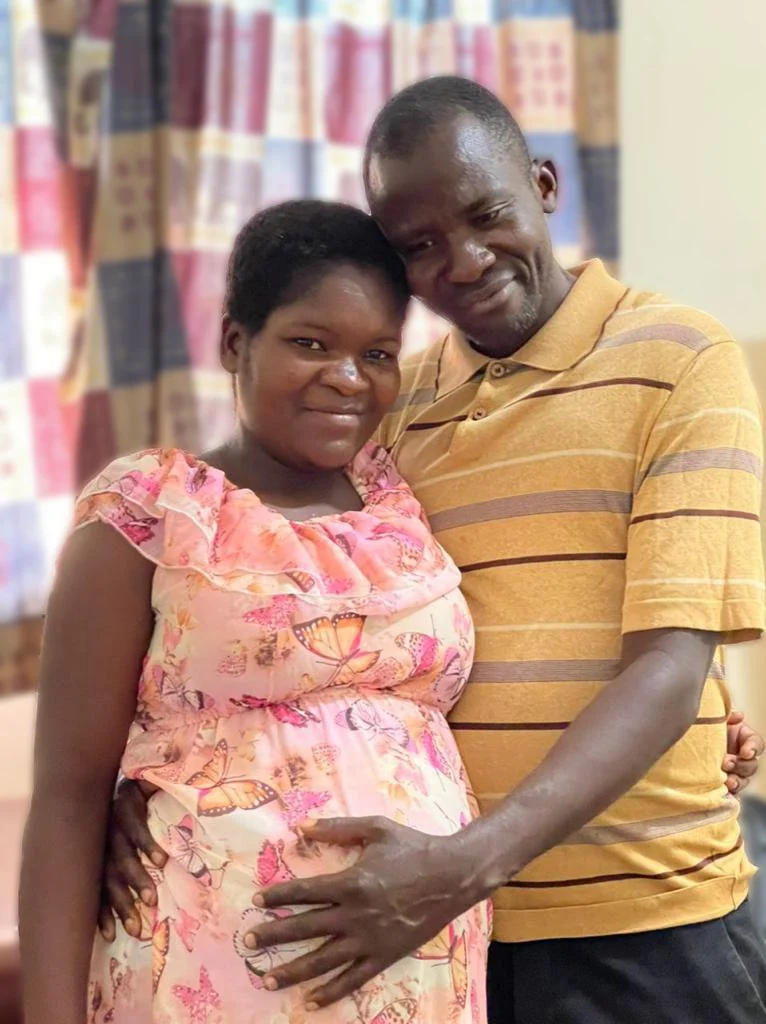
The ITW model implemented at Nawanyago health clinic has generated buzz in the local community, and the clinic has seen increased patient volumes because of this. One of the goals in fulfilling our mission to save lives, concordant with WHO Millennium Development Goal #5, is to increase the number of births with a skilled birth attendant (rather than home births) in rural areas. In the months prior to ITW’s implementation, Nawanyago averaged about one clinic childbirth per day, but in the last month, the nurse/midwives delivered 55 babies! This almost doubling of births at the health center is important, because even a breech delivery at home can have disastrous consequences, but with a skilled nurse midwife, the chances of problems are substantially diminished.

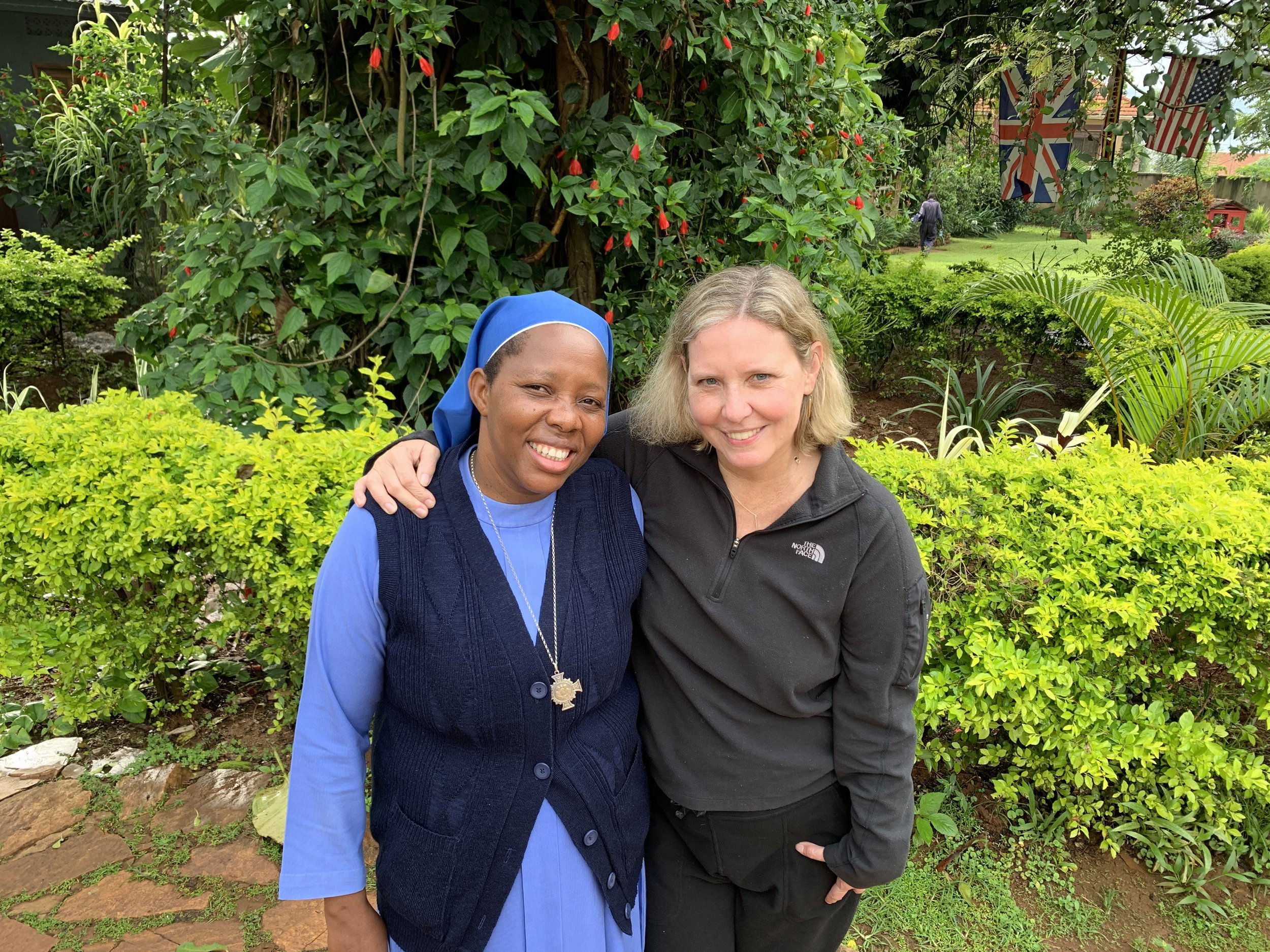
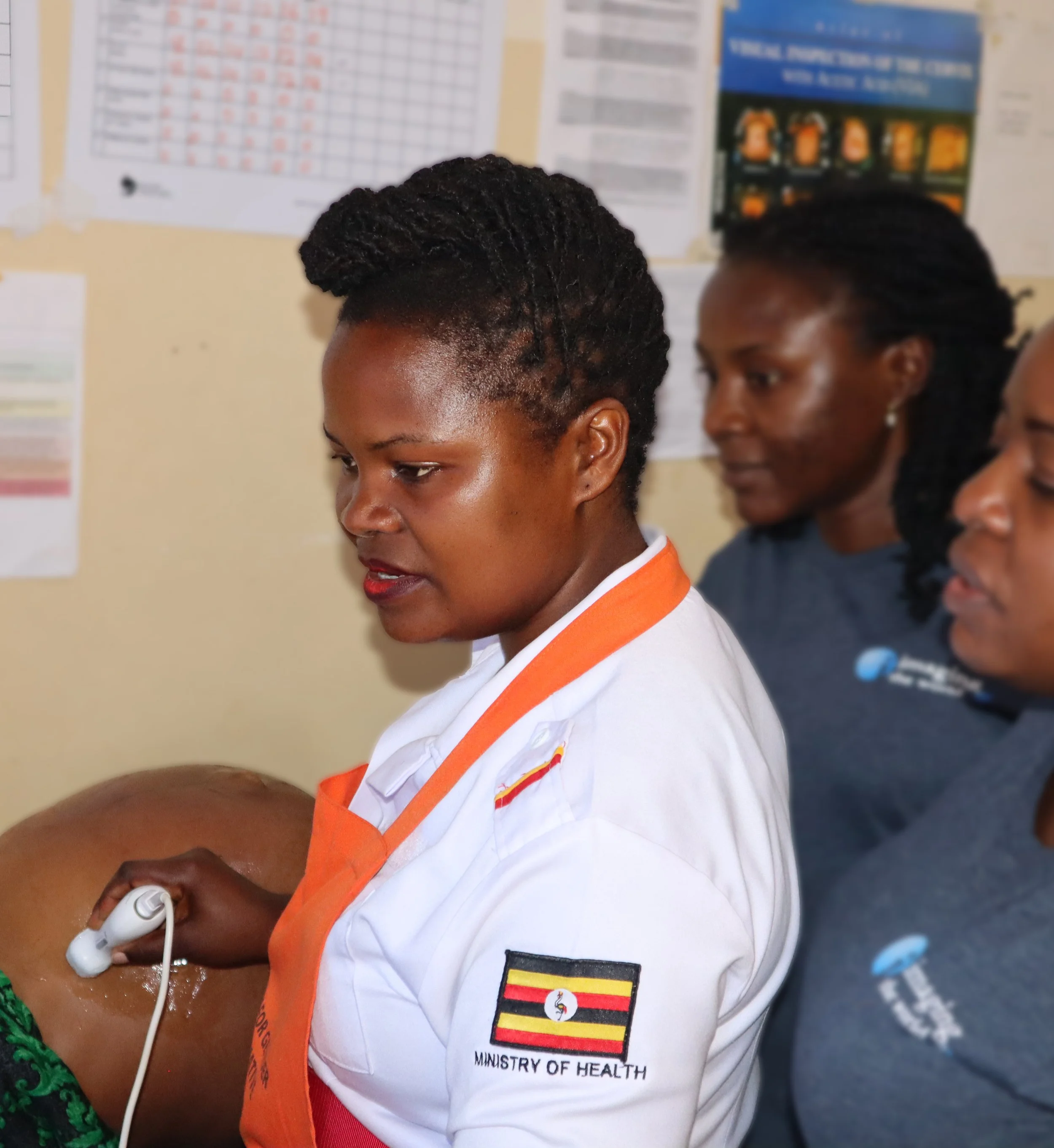
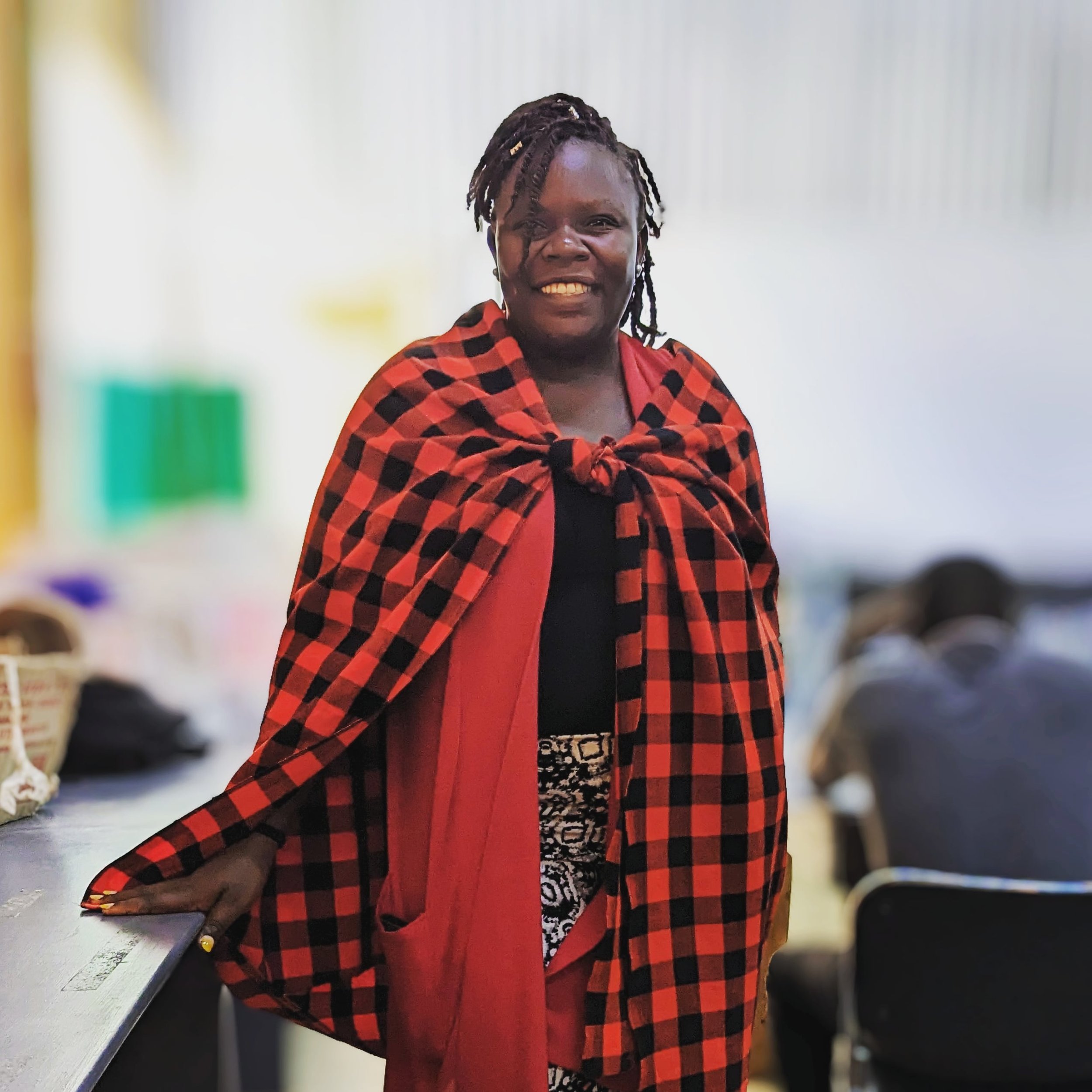
Sister Angela, who has been generating images using the ITW protocols and transmitting them to the web continues to become more efficient and she is passionate about the ITW project and its ability to improve healthcare in her community. It is the dedication of people like Sister Angela who are essential to the success of saving lives. Thank you Sister Angela!

–Andrea, Kristen and Brian


ITW Pilot Success!!!

Posted July 23rd, 2010
Add a Comment


“Hope is like a road in the country; there was never a road, but when many people walk on it, the road comes into existence.” — Lin Yutang

We are very pleased to announce that ITW completed our pilot trip successfully. The ITW team (26 strong, 14 from traveling from the USA) endured weeks of long days in very rugged conditions with sporadic water and electricity, multiple delays and unexpected problems. Despite hardships, the team was successful in completing the short-term objectives of the two-part proof-of-concept implementation against the odds. Suffice it to say, the team members that participated developed a real world appreciation and understanding of the term “low-resource”, and we learned much about how we can adapt the ITW model to function well with unpredictable resources and circumstances.

The ITW pilot project consists of an IRB approved (with ECUREI) two part research project. Phase I, the Image Quality Study, began with a train-the-trainer session on the first day, led by Gail Rouillard. Data was acquired for Repeatability and Reproducibility analysis designed to show that the ITW protocols can be used reliably to produce scans of diagnostic quality. This study has already been performed in Belize and Vermont by ITW, but we repeated the study to show that it can be done in a very low-resource environment. We completed Phase I of the study only one day late which was amazing given all of the problems we encountered. The members of the team came together and worked extraordinarily hard under very difficult conditions. The results of this study will be published.

The Phase II part of the project was initiated, starting with the implementation of the ITW model at a low-resourced Health Center III in Nawanyago in the Kamuli District. This phase is designed to show observer agreement, comparing the results generated by a nurse midwife at Nawanyago and sent to the webserver for interpretation by ITW to the “gold standard” interpretation of the on-site ECUREI sonographer. The ITW team trained Sister Angela, a nurse/midwife at Nawanyago. She attended our ITW Foundational Training Course taught by Frank Miele and Cheryl Vance, learning knobology, basic computer skills, ultrasound ethics, basic physics and elementary anatomy. It did not take her long to learn how to generate images using the ITW protocols. She also was a quick study picking up the process for outcomes data collection workflow process. She was a very dedicated student, and her aptitude matched her passion to learn. Over the next six months, ITW will be collecting data to analyze to show the efficacy of the ITW model.

One of the most seemingly insurmountable challenges of the trip was an unanticipated internet connectivity problem at Nawanyago. The ITW Uganda team had tested the site for connectivity prior to our arrival, but when we arrived to begin set-up, we realized that the network connection had very slow upload speeds for data. After purchasing multiple modems and erecting an  antenna on top of a large pole (tree trunk – see picture) there was still suboptimal signal stability. Frank Miele bought and carried a cell booster from the USA and once installed, this solved the problem.

Early on in the pilot, two medical students were invited to observe and assist in a c-section for obstructed labor at Kamuli Mission Hospital. The mother-to-be had been in labor for four days, and by the time she was brought to the hospital, she was too weak for a c-section, and she died. Hearing the students relay the details  made everything that we were doing seem worth it – our ITW model could have saved her – we doubled our ambition to be successful and our troubles were diminished in relation to the reality of life there.

Since returning to the US we’ve experienced glitches with cineloop transmission, but as of Tuesday this week, images have been coming through regularly. The transmission problems were related to myriad problems including a network outage the affected all of Uganda.

We are so proud and appreciate and admire the teamwork and dedication of all of our volunteers (those who came to Uganda as well as those who stayed) that contributed so valiantly to the success of this trip. There are too many people to thank individually in this summary, but each of you have provided critical pieces in this massive and ambitious project – realization of the vision of ITW has begun! Congratulations to all of you!

–Andrea, Kristen and Brian


Uganda Report

Posted June 30th, 2010
Add a Comment

After nearly two weeks in Uganda, the fourteen member implementation team in Uganda is alive and well. After some missed flights and lost baggage, the team eventually arrived at Kamuli Mission Hospital to begin the first research project, and to test internet connectivity at Nawanyago, the first implementation site. 

The Image Quality Study had a rough start with multiple delays and surprises. Some of the issues we have seen include: extremely unstable electricity, one close call on blowing the generator, scarcity of supplies and the ability to get supplies, some cultural disconnects, a flat tire, working in a construction zone, lack of water, illness,  broken bathrooms, language problems, and many, many more challenges. And Kamuli Town is not even a rural area! The ITW team has worked extremely hard, and despite all of the challenges, we are proud and elated to report that the ITW team successfully completed the Image Quality Study only half a day behind schedule. This is a remarkable achievement and I cannot praise the team enough for enduring so much hardship, and persevering when at times it seemed to be a futile mission. Through this process, I think that we have all learned much about ourselves and each other, but most importantly we have learned much about our own cultural expectations and how we must learn to adapt and adjust constantly. I have watched the ITW team learn to relax and work through delays and problems with patience, even enjoying a cup of tea in the mid-morning as is the local custom (despite a work list as tall as a man).

Meanwhile, Dr. DeStigter and other ITW team members traveled to Nawanyago to test the internet connectivity and were very surprised to learn that there was absolutely no internet signal. We had tested the signals previously, and there were several. The team was crestfallen and spent days working to correct this, purchasing and testing six different modems and telecom carriers. This includes rigging up a very large antenna to the top of a forty foot pole (read tree). There is a very long and entertaining story around the raising of the pole that I will post at a later date. Interestingly, we learned that internet signals vary day to day. We brought two separate technicians out to troubleshoot, to no avail. As a last resort, Frank Miele purchased a cell booster in the USA and brought it to Kamuli Town, and we are pleased to report that we have double the bandwidth that we need (thank you Frank!).

Although the training started a little late for the second phase, the training is now half way done with great success.  The sisters from the clinic are very committed to learning and are doing extremely well.  In addition to the sisters, there are a few sonographers from Kampala (the major city) and a few nurses from the Kamuli Mission Hospital (where we are currently training) who are also learning all of the protocols.  The excitement is tangible!  It is not possible to express in words the commitment and joy expressed as these trainees start to understand the potential to improve patient outcomes.  

For the last two days, I have been interviewing each participant in this study, and I have been very touched by the reports and the emotional attachment each member has to this project and mission, and to helping the beautiful and happy people of Uganda. I am sure that this is the carrot that has driven us to so much success in the midst of the trials. Some of the medical students have gone on rounds with Dr. Alphonse, and have seen so many heartbreaking things including a woman and her child who died after the woman’s uterus ruptured after laboring of four days and being brought to the hospital far too late.

As I type this, four pregnant women are sitting behind me dressed in their finest cultural dress, and Andria Jones and Frank Woitera are telling them about the ITW project in their local language. In the adjacent room, OB patients are getting scanned (see picture above.)

We are all looking forward to a hot shower and something besides beans and rice and plantains… A drink with ice in it would be tremendous.

 Signing off from Kamuli,

 –Andrea


Student Perspectives

Posted June 29th, 2010
Add a Comment

Some of the insights of ITW Pilot Project particpants:

6/22/10: Javier DeLuca

 Today was our second day working at Kamuli Mission Hospital. If I had to write about just one thing that I’ve learned since we got here, it’d be about how friendly the Ugandans are. Everyone I meet, from the hotel clerks to our drivers to the patients in the hospital always greet me with a big smile. They’re all excited and happy to meet you, and you get the feeling that they want you to share in their happiness too.

The hospital is unlike any I’ve ever been to in the states. It’s only a single story for starters. And it’s very exposed to the elements – there’s no air conditioning, no insulation and the windows are basically just holes in the walls, since none of them have glass. Bugs haven’t been a problem yet, but I have spotted everything from chickens, goats, stray cats, and pigs walking free around the hospital.

We’ve met Dr. Alfons several times. He is 1 of 2 doctors working at the hospital. Despite being so busy, he always takes the time to stop and chat with us. He’s very calm and relaxed, so you’d never guess what a busy man he is. Today he saw around 100 patients, and he’s also taking call tonight. It’s amazing that there are doctors out there willing to make such a huge commitment to their patients, but I think it also shows how much more help is still needed out there in many parts of the world.
6/22/10: Emily Crook

Today is our second day in Kamuli and I am very happy to be here. I have already learned so much about the Ugandan culture in general. And not only that, but I am also growing a lot as a person. Today was the first real day that we started showing the trainees how to perform ultrasound. Although the day was difficult, long, and tiring, I could see in each one of trainee’s eyes that they truly appreciated what we were doing. I can tell that this work is going to be hard, but it is most definitely going to be worth it.

6/22/10: Brandon Chapman

Today we met with the nursing and midwife students at the hospital that are going to be our patients during the research trial.  They all look so young and were only on average 20 years of age.  The midwife students all had matching outfits that looked like the old white nursing outfits and the nursing students also all wore the same thing.  After being introduced, Dr. Kristen DeStigter gave a mini lecture on the basic concepts of ultrasound and as we were setting up the ultrasound machine to show them how it works, we were told by one of the nuns that the students have prepared a few songs for us.  They sang a couple of different songs and they had the most beautiful voices I have ever heard.  They had such a strong voice that carried throughout the room and you could see by their facial expressions that they were truly thankful for our presence there.  It was such a nice way to express their thankfulness.  I’ve noticed that the people here value personal relationships in a different way than Americans do.  I could not ever imagine if we were in the United States giving the same presentation to a group of students, that we would have received the same response.  In Uganda, they express their thankfulness through personal meaningful gifts rather than the monetary gifts we give each other in America.   It will definitely be a moment that I will never forget. 

6/20/2010: Brandon Chapman

In the mid-afternoon, we drove to the Kumuli Township where Kamuli Mission Hospital is located. I thought the drive from Entebbe to Kampala was crazy, but the drive to Kumuli was 100 times worse. For the majority of the way it was a single lane with a bunch of pot holes that the driver would swerve and miss to prevent blowing out a tire. On top of the swerving, there were people on “boda boda’s” (motorcycles) and traffic coming in the opposite direction. It was crazy how close we were to hitting people walking along the sides of the streets.

After driving about 3 hours, we made it to Kumuli to see the hospital. We walked through the wards and it was sad to see the accommodations. The pediatric ward was filled with kids with malaria. The rooms were shared by several people and most of the mothers and children were sleeping on the concrete floor. The room was hot and humid. You could just feel the sickness. There were IV bags hanging from a wire on the ceiling. They are very few nurses, so the family members are the primary care providers. One of the rooms had two boys lying in their beds with chest tubes draining pus from their lungs. The faces were so sad and heartbreaking. When we walked through the maternity ward, everyone would smile and wave to us. I’m not sure of the exact reason, but I would like to think it is because they know we are there to help them and provide better medical care. Walking through the wards made a large impact on me and for the first time made me consider pursing global medicine in the future.

Imaging the World provided funds to renovate the room a Kamuli Mission Hospital to use for our Image Quality Study so we could have a nice clean working space with two bathrooms. When we walked in it was far from “nice and clean.” The room was full of dirty desks, beds and chairs that were all stacked on each other. There were pieces of broken glass all over the floor dirt was everywhere. The only “renovation” they did was paint one of walls. We were told that the room will be cleared and all cleaned up by tomorrow at noon.

Seeing the houses at night was interesting. Everything is so dark at night because there are not many lights on the houses only single lanterns on the porch. It reminded me of camping and walking by all the tents with no lights other than a fire or lantern, but this is how they live. It makes you appreciate what we have in the States.


Dr. Alphons Matovu

Posted May 19th, 2010
Add a Comment

I am sitting in the dark office in Kamuli Hospital listening to Dr. Alphons Matovu speak with Andrea.   As he talks I glance around his office – his degrees hang on the wall, a few papers line his desk but it is clear that his place is not behind a desk. As the sick line up outside a nurse comes to his door. Stepping outside he murmurs to her and pats her arm. She smiles softly and turns away. He must go, the sick are lining up. We follow him outside where the heat greets us as do the patients who are here in Kamuli Mission Hospital.

Located in eastern Uganda, Kamuli Mission Hospital serves a district with a population of roughly 750,000. Home to some of the most primitive living conditions, Kamuli District is a wide open plateau filled with lush green tropics, rice paddies, palm trees and gentle rolling hills. People here are poor. Subsistence farming is the main occupation. The roads are few and rough, only traversable with a four wheel drive car. Cows wander the downtown of Kamuli Town, as well as goats. Water is pumped from a town well and the residents line up with their yellow Jerry cans and carry them home on ancient bikes or balanced on their heads. Most of these people will never visit a doctor in a hospital. Most will ail, heal or die in their homes surrounded by family.

I am on rounds with Dr. Alphons. In an amazing gesture of trust he has allowed me and my camera to join him while he does his rounds. We start with the maternity ward looking at women with surgical deliveries. Dressed in the clothing they wore to the hospital, the new mothers lay on thin metal beds with thin plastic mattresses. There is no air conditioning, curtains, beeping machines or private bathrooms. Lying with their wee babies next to them these mothers are fighting pain, fear and exhaustion. Their families camp outside providing meals, care, rehabilitation and company. Gathered on the shaded maternity porch, newborns wriggle in their grandmother’s arms waiting to be taken inside for a feeding.  Dr. Alphons’s gentle voice floats up to me as I snap pictures of a young mother, only 17 who after laboring three days with twins was saved by his skill and practice. Only one twin survives, a beautiful, tiny baby who fists flail upwards. Dr. Alphons’s hands cup the mother’s head as he bends down to ask her questions. I can’t hear her replies but she slowly pulls up her top and I see her belly. A long, ropelike incision travels down her entire torso. This is triage medicine, done to save lives, not for vanity. He nods, happy to see it clean without swelling. Painfully she pulls down the shirt and lays back. His eyes are filled with tenderness and grit. He wants to make sure I have witnessed and recorded. This is what he wants changed. 

There are only two doctors at Kamuli Mission Hospital. I ask when he takes days off. He shakes his head. There are no days off – ever. He and Dr. Alex will cover for one another if traveling is necessary but there are no vacations, weekends or golf games. Being a doctor here means sacrifice. It is not a means to upwards mobility but a dedication to saving lives, taking calculated gambles and knowing not everyone will be saved.

We walk into the malaria ward. A mother sits next to a metal crib, her infant with an IV in her tiny forehead, the only vein big enough to take the needle. Malaria is prevalent in children and if treated, is curable. I think of Children’s Hospital, the couches, quiet halls, family visiting rooms and brightly painted walls. Here the mother sits on a hard concrete floor for hours, watching her baby sleep. Dr. Alphons walks to the child and gently holds his hand to her head. He smiles at the mother and murmurs to her in her native tongue. Turning to me he smiles, she will be alright he assures me, this baby will survive. I see how his gentle, calm magic has touched the young mother. She stands, straightens and goes out of the room for a moment. She is visibly more relaxed.

The following week, we met with Uganda’s Deputy Minister, Rebecca Kadaga. Dr. Alphons, now in a stately black suit, sits with us as we describe what ITW wants to accomplish in Kamuli, especially with young mothers, a focus for Ms. Kadaga. Dr. Alphons explains how important ultrasound is for his work, how trained sonographers are essential for maternal care and how much respect he has for ITW’s co-founder Kristin DeStigter. Ms. Kadaga is convinced and gives us the thumbs up and more. We are told to go to her for any reason at all – anything we need. We are delighted and relieved. Government support is essential for our mission to be accomplished and we know Dr. Alphons’s reputation and skill was largely responsible for this victory. Having left Kampala, that morning after working all night we offer to take him to lunch with us, to give him a respite from his travels and work. He declines gracefully; he must now he must be off to visit another hospital. There is no fatigue in the lines of his face, no resentment for this hardship. We each shake his hand with gratitude and awe. We are humbled and proud to be working with someone of his caliber. He inspires us.

-Monica


Africa…

Posted May 2nd, 2010
Add a Comment

It has been one week.

What is Africa like? I can only speak on what I have experienced here in Uganda. It is a riot of images, feelings and sensations. It is despair and joy. It is unwavering in its assault on the human experience and it is remarkable how violently we humans strike back. When left alone the land is lush, tropical and fertile. But then, rounding the corner you stumble across humanity and it’s a though a hundred dumpsters have dropped from the sky and made up a town. Litter, rust, refuse strewn across red clay roads – like massive red gashes in the landscape.

When we landed in the capital city of Kampala I was dismayed.It seemed dumpy, dusty and polluted. I could see no significant architecture, graceful parks or central plaza. Now, two days back from the field, lying on the cushioned couch outside my hotel room I think it is paradise. In the morning I wake to the gentle skritching sound of twig brooms sweeping the street. Brightly colored women in turbans bend over sweeping the concrete with bundles of small branches, picking up what was blown by the wind or dropped out of windows. I have a new love of concrete. It is clean, straight and organized. It has a plan behind it. It can be swept.

As I relish the hotel sounds behind me and I think of my “guest” room in Kamuli. Driving through Kamuli Town I am nervous. Cows wander through the streets, ragged children play with beat up plastic cans, men sit idly against the aging buildings. Women wander, either holding babies, bundles of cloth or with firewood stacked on their heads. Everyone is wearing logo t-shirts or coats. A young woman walks by with IOWA printed in white against a pink ringer tee. Nothing matches and I wonder how the women pick what they will wear each day. Then I wonder how many options they have. Perhaps they only have two shirts and skirts. Perhaps this is their best to wear into town. Two little girls run by in dresses that have no zippers in the back. They seem unperturbed that their clothing seems ready to slip off their small shoulders at any moment. I look down at Picho’s shoes and laugh. Across the top they say “In and Out Burger, California”. Home is present everywhere and yet I have never been so far away from it as now.

We stop for bottled water. Even Picho and Frank avoid the tap water. The dimly lit stores are filled with bags of corn meal and cans and cans of some kind of food. Cell phone plans don’t exist – instead everyone buys minutes. A steady stream of customers wait at the counter to refill their cell phones. A bota bota driver blasts by with a whole family on the back, the youngest clinging like a monkey to his mother’s back. We all burst out laughing and I am happy to see Picho and Frank find it as funny as I do. Next comes a man on a bike, tree branches balanced on his head, talking on his cell.

We pull into the guest house. It is a gated compound with a large open lawn in the middle. Sitting on an old wooden chair in the middle of the lawn sits a man, small hoe in hand, chopping at the grass. He swings his arm down several times, then plucks something up. He then sits back and watches us get out of the car. After a while he chops the ground again. Then sits idly. I can see it could take him all week to get through the grass at that pace. I wonder if that is the intention.

We head out to visit the hospital. As we pull out of the gate we are struck across the face by poverty. Across the street is a stick and clay hovel with a shriveled old man sitting in rags. His fire is smoking and the dirty curtain that is his front door flaps in the breeze. Seeing our van he waves with both arms, shouting hellos. We wave back, his joy is contagious. I look out my window and see a pack of small boys running along side the van shouting in the sing song language they share. I tell Picho to stop. Reaching into a bag I pull out Cliff bars. Andrea is excited and finds more. Reaching down we ask the boys if they would like a treat – their eyes grow wide and their smiles light up the sunny afternoon. Shouting they reach for the treasure – crowing, jostling, joyful. Andrea and I are in heaven. Finally we think each boy is taken care of and Picho starts the wheels rolling again. Suddenly a small fist hits the side of the van, I look down and a grinning face meets mine. Shouting and gesturing I realize that he is telling me that one more boy is coming. Looking back I see the smallest of the pack running behind, he was overlooked. The larger boys are all waving, yelling at us not to leave their friend out of this celebration. Picho slows down and I look down into a pair of excited, grateful eyes. I hand him the last Cliff bar and as one hand closes around it the other pats my arm in thankfulness.

I forget the damp room, the spiders and humid air. I forget all about my fear. I am in love with eleven little boys. I am in love with Kamuli Town and it’s ragged, dirty streets. I am in love with Africa.

–Monica


Uganda Trip – Day 1

Posted April 23rd, 2010
Add a Comment

Day 1 – Uganda Stakeholders Meeting Trip

Monica and I arrived in Entebbe last night around 8 pm and after juggling luggage and visas etc. got into a van and drove with Frank and Picho (ITW employees) to Kampala. It’s quite smoky here, I think because most people cook with fire. Things were hopping in Kampala, discotheques were OPEN and it seemed you could find any kind of music. Our hotel The Grand Imperial Hotel, (one of the oldest in Kampala) had traditional Congolese music playing, but we didn’t stick around to listen. Instead, we went out for a late dinner that was fabulous Indian food and some tall Nile beers.

Plane rides were uneventful. The leg from Amsterdam to Uganda was uneventful. We had a 3 hour layover in the Amsterdam airport, and Monica was in an jetlag coma, so I was left to cruise the fancy airport and drink coffee by myself (checking every now and then to make sure Monica could still fog a mirror).

On the plane ride I read up on the history of Uganda and all I can say is that I’m glad I’m visiting Uganda now instead of just about any other time in history. If you want a taste of some of the worse times of Uganda, watch Mountains of the Moon, a movie about Speke and Sir Richard Burton on their quest for the source of the Nile.

Andrea


The Story of Imaging the World

Posted March 20th, 2010
Add a Comment

Imaging the World (ITW) was founded in 2007 by two radiologists, Dr. Kristen DeStigter and Dr. Brian Garra. The idea for ITW came out of Dr. DeStigter’s work in rural Kenya where she was participating in World Health Organization-sponsored parasite research. After she had finished her parasite research each day, the team would open up a field “clinic” and people would walk from all over to stand in line by her Land Rover to receive ultrasound diagnoses. With a transducer in her hand, Dr. DeStigter was able to diagnose a wide variety of ailments that could not be detected through routine health exams. She was able to detect conditions ranging from internal parasitic infections, broken bones and liver lesions to potential maternal health complications. When she realized that people were desperate for more evolved health care, and that it was evident that they could and would travel great distances for diagnoses, and even greater distances to receive hospital care for more complex conditions and treatment, Dr. DeStigter became committed to creating a new model of field care that included basic ultrasound technology.

Back home she enlisted the expertise and creativity of Dr. Garra and sonographer, Gail Rouillard, to develop a new paradigm for ultrasound. Together they experimented with the idea of a tele- radiology platform where images could be sent via the internet to a network of radiology experts. Aware that there were few trained sonographers in developing countries, they developed a new model of teaching people without medical training to scan patients using only external body markers such as the ribs and hips. Dr. Garra created novel video compression software that enabled ultrasound video clips to be sent over low bandwidth internet connections so they could be viewed by radiology experts anywhere in the world. They conducted a pilot study in rural Vermont to test the training methods, transmission of data, and the diagnostic quality of the images. The results from the study were encouraging and Imaging the World was born.

With this breakthrough also came a need for technology. Through partnerships with GE and Philips, ITW secured ultrasound units to launch several beta sites. McKesson partnered with ITW to supply Picture Archive and Communication Systems (PACS) to store the scans so radiology experts worldwide could login, read the scans and make diagnoses.

As ITW expands, there will be a great need for portable, inexpensive ultrasound machines. Currently GE has committed to developing a prototype model that will be available within the next two years. This new model will cost less than $2000 and will be key to a large scale implementation of the ITW model, allowing for global growth. Many other vendors are also interested in developing extremely low cost US equipment for use in rural areas and our target is the sub $1000 price.

With doctors, software and equipment on board, ITW also needed to develop a reproducible training curriculum and program. To aid in this, ITW partnered with nationally renowned medical education specialist, Pegasus Lectures to take part in a national training work-group made up of radiologists, sonographers, academics, global health training specialists and ultrasound experts. ITW has developed a global training template that is culturally sensitive, concise and easily transferred. ITW has also developed a classroom module teaching basic ultrasound physics and ethics to supplement the basic scanning protocols.

Needing more field work, ITW conducted a second pilot study rural Belize. This study demonstrated that non-english speaking individuals who lack medical training were able to successfully conduct the protocols and produce useful and diagnostic ultrasound imagery. After two successful pilots, ITW decided it was time to implement permanent sites and launch a longer-term conclusive outcomes study.

In June, 2010, in conjunction with local healthcare institutions and the Ugandan government, ITW will implement three sites in rural Uganda. These sites will serve as operating ITW sites and outcomes data will be gathered and compiled quarterly. This project will test the long-term feasibility of ITW, as well as the affect of ultrasound diagnoses on the health of a population. Data collected during these operations will be groundbreaking, as no study such yet been conducted in the U.S. or anywhere else.
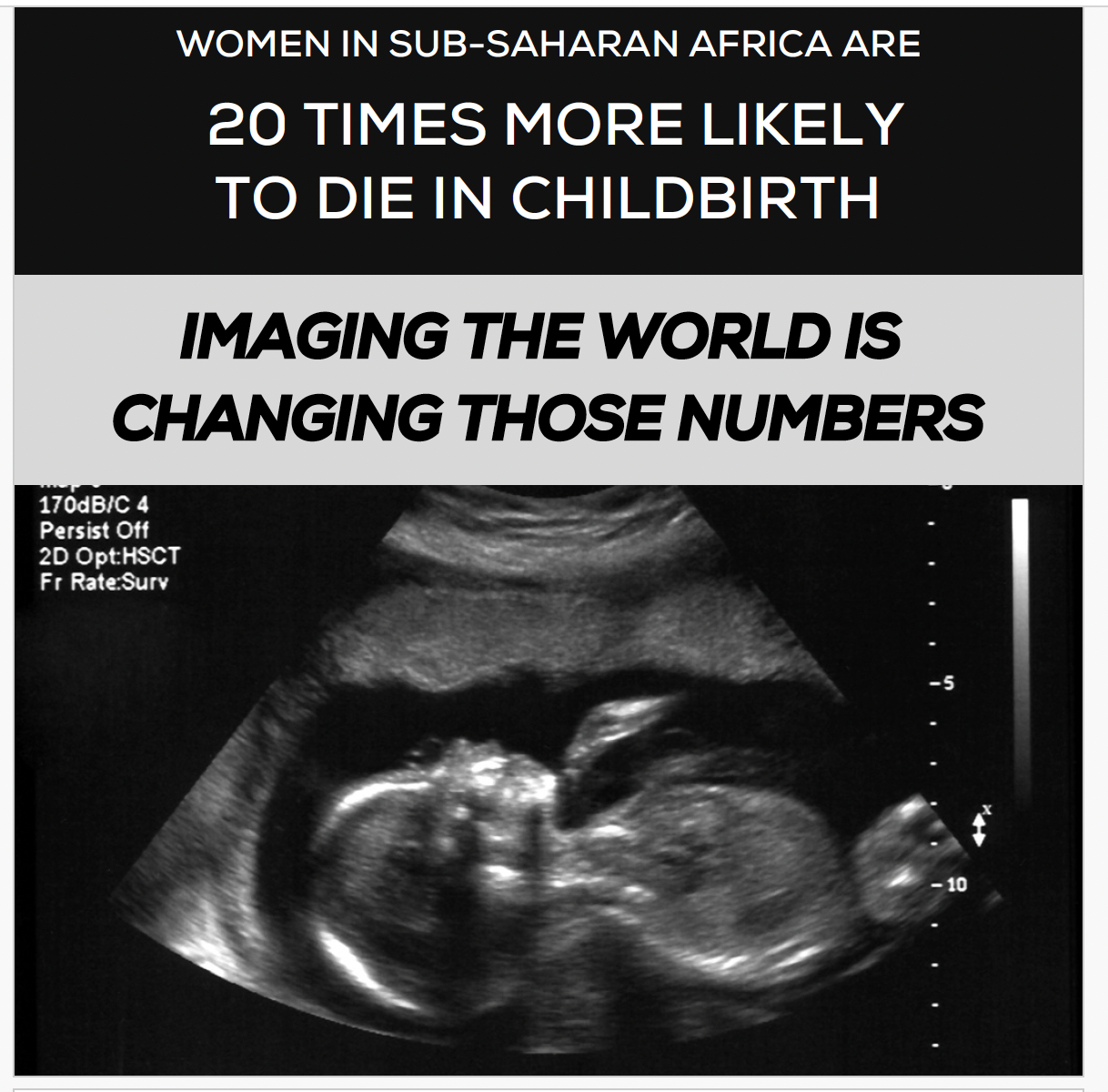
While ITW will be gathering data on all types of health conditions, this outcomes study will focus on maternal health. Uganda currently has the highest birth rate in the world with each woman having an average of 7 pregnancies. With increased pregnancy rates, women have a higher risk of placenta position issues. Placenta previa as well and other placental position issues often lead to hemorrhaging – in fact hemorrhaging is responsible for 21% of all maternal deaths. The good news is that placental position is easily detectable through ultrasound. If a woman is diagnosed with a placenta position issue she will always be advised to labor in a hospital. This early warning allows the mother and her family to make arrangements to leave their home and make the trek to a local hospital. With the help of trained medical providers, placental placement issues can be dealt with safely, resulting in healthy births.


2010 Uganda Project

Posted February 8th, 2010
Add a Comment

donate

In June 2010, ITW will implement three sites in rural Uganda. With local partner and government cooperation, these sites will help save thousands of lives.

ITW chose Uganda because of the great need in this region.

• The World Health Report in the year 2000 ranked Uganda’s health profile 186th out of 191 countries worldwide
• 75% of life years are lost to preventable diseases, such as perinatal and maternal conditions (20.4%)
• Only 47% of deliveries are attended by skilled health care personnel
• More than 60% of maternal deaths take place during delivery or in the immediate post-partum period. Ultrasound diagnosis can give early warning of possible complications

Health workers in three rural Health Centers in the Kamuli District, will be trained to do ultrasound scanning using the ITW methodology and protocols. Patients coming to the center will be clinically assessed and the health worker will make the choice to perform an ultrasound scan if necessary. The scan will be sent via cell phone uplink to a server and images will be reviewed by radiology professionals within ITW network. Within 2 to 48 hrs, depending on how critical the condition is, the health worker will receive a health care recommendation via cell phone text message. The patient will assess the need to travel to the nearest hospital for further diagnosis and treatment.

If you are interested in supporting this project, please visit our donation page, or call 206.200.7560.


2010 ITW Retreat

Posted January 15th, 2010
Add a Comment

On January 23rd, ITW volunteers, board and staff met in a grayish Seattle to vet problems, generate ideas and strategize about the rapidly approaching Uganda project! Attendees traveled from Vermont, Arizona, Utah, Texas and Canada. ITW is an organization of telecommuters and working groups who nearly always meet through teleconference calls and WebEx. What a treat it was for us to face each other in a room! We got to know each other much better and learned that ITW’s ranks include: a former synchronized swimmer, a breeder of African cichlids from Lake Tanganyika, an attendee of the 1962 World’ Fair in Seattle, an individual whose name, literally translated, means “Free Honey” and a professional rifle shooter.

Brilliant ideas were generated and quashed in minutes, fires were lit, urgencies were communicated, cross-disciplinary meetings were forged… The breadth of educational and professional backgrounds was rich and myriad, appropriately, as the multitude of tasks and activities related to the ITW model require.

The general spirit was one of egoless inspiration as all parties work towards a goal bigger than anyone in the room: improving and saving the lives of those living in vastly under-resourced areas. For me, it was important to see the workgroups meeting for the first time to see how their pieces fold into overall model. This meeting affirmed my belief that nothing works well in a vacuum and while telecommuting saves all kinds of resources (time and money being two big ones) there is no substitute for face to face contact.

I’d like to send a special thanks to Natasha Fedo and Berk and Associates for facilitating, McKesson for providing the great space, and all of the ITW volunteers that incurred great time and money expense to attend this important meeting. ITW wouldn’t exist without the altruistic spirit that we seem to run across in spades. Although ITW has yet to receive the funding we need to really make this project go, we are wealthy in the dedication, passion and expertise of our people.

– Andrea